
The Baconian Club of St Albans is a forum for discussion, founded in 1921-22. It takes its name from Francis Bacon, first Viscount of St Albans, and also titled Baron Verulam. He was one of the pioneers of the scientific method, and has been called “the founder of empiricism.”
The Club holds regular meetings typically six times a year, between September and March. These meetings usually begin with a presentation by a member or a guest speaker, followed by discussion. The subjects are wide ranging, and include science, the arts, environmental issues, literature, travel, and matters of law and public policy.
Recent talks (some held by Zoom during covid lockdown) included:
– from π to pi: the history of computation
– the trouble with Easter (determining its date)
– sundials: a brief history of time reckoning
– spicing up St Albans – food and migration in the 20th century
– change ringing
– similarities and contrasts between GREXIT and BREXIT presented by a professor of modern Greek from University College London.
Discussions over the past few years have included:
– liberalisation of drugs
– science’s challenge to the claims of religion
– different societies’ interpretation of death and the afterlife.
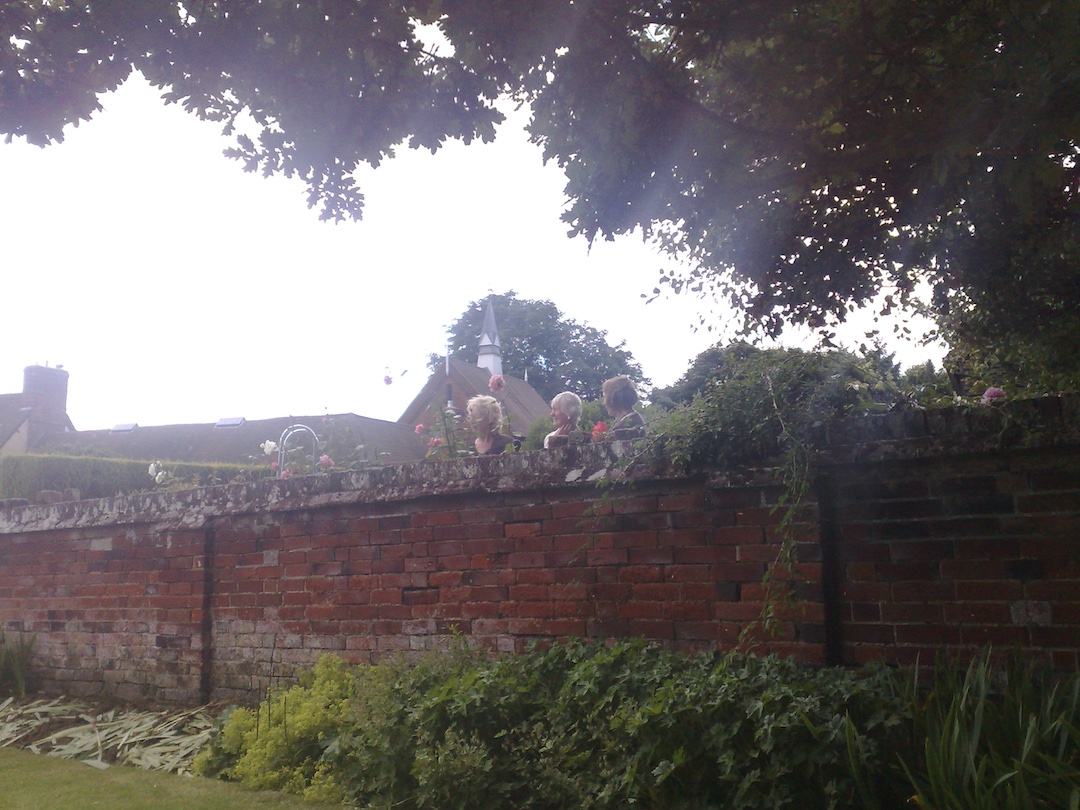
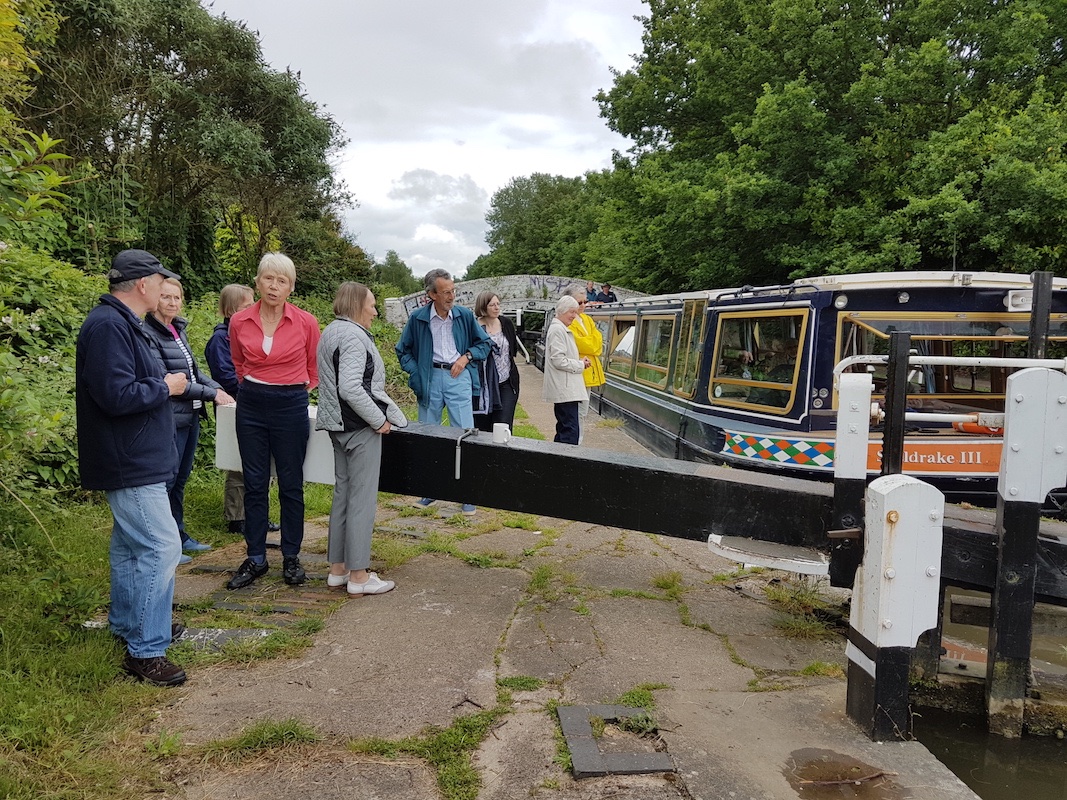
The AGM is normally held in May, and a Summer Outing usually takes place in June.
The year 2020 effectively suspended most Club activities from March to November. The Club’s usual series of talks and discussions, as well as Committee Meetings and AGM, were replaced by meetings held via Zoom over the Internet until late Spring 2021.
Club meetings in person re-started in September 2021.
Summer outings

Becoming a member
Membership is normally by invitation. Prospective members must be nominated and seconded by existing members of the Club. You are welcome to attend as a guest, to get the flavour of the Club. For further details, or to enquire about joining, contact the Secretary via email (secretary@baconianclub.uk) .
Note for new members
The Baconian Club was founded over 100 years ago as a forum for debates. It had members of all ages but at first they were all men. Now we welcome members of both sexes. Indeed we usually elect members in couples unless a single person, or one whose spouse would prefer not to join, is proposed as a member.
Formal debating seems to have gone out of style but the emphasis at club meetings is on discussion. We usually have a speaker, who is either a member of the club or someone known to and invited by a member. The speaker shares his or her expertise or enthusiasm or both and invites discussion. We try to get variety in our subjects. A recent year’s programme included the impact on our local economy of immigration, issues in cosmology, history of calculation, botany, and archaeology.
We do not take detailed minutes. No-one knows why not. Perhaps there was a meeting in the 1920s at which a decision was taken not to take minutes but we do not have a minute of that meeting. The chairman may give a brief summary at the AGM of the topics covered in the past season. The practical effect is that you can say anything you like at a Baconian Club meeting; it will not be taken down and used in evidence (“Chatham House Rules”).
We are glad to hear from members who want to speak or who have guest speakers they want to invite but this is not a condition of membership. Many new members prefer to wait a season or so to get the flavour of meetings and to decide whether they have anything to contribute.
Another thing we are glad to hear from members is names of potential new members, especially new members who will reduce the club’s average age.
Refreshments are served at meetings and occasionally – say once every two or three years – you will be asked to take charge of this. It is a simple task as the hall is well equipped with everything we need.
Every organisation has to have a committee. Ours has about four to six meetings a year (at which minutes are taken) to finalise the programme, discuss the Christmas Party and Summer Excursion, check the accounts etc. We have a fairly rapid turnover which ensures that we do not get too set in our ways: consequently you may be invited to help on the committee within two or three years of joining.
The thing to bear in mind is that you have joined a club to enjoy yourself: not a learned society or an association with an axe to grind but a club.